
Material Testing
Non-Contact Extensometry for Materials Testing: From Routine QA to Advanced R&D
Modernising mechanical testing with optical precision.
Modern material testing requires a balance between high-speed throughput and sophisticated data integrity. While traditional contact extensometers carry risks of specimen damage and knife-edge slippage, Imetrum’s non-contact ecosystem provides a seamless transition to optical precision. We have engineered our solutions to eliminate the physical constraints of hardware and the technical frustrations of first-generation optical tools.
Types of materials Testing
Clip-on Extensometer vs Advanced Extensometer vs Vector
What is the main difference between these key methods of materials testing?
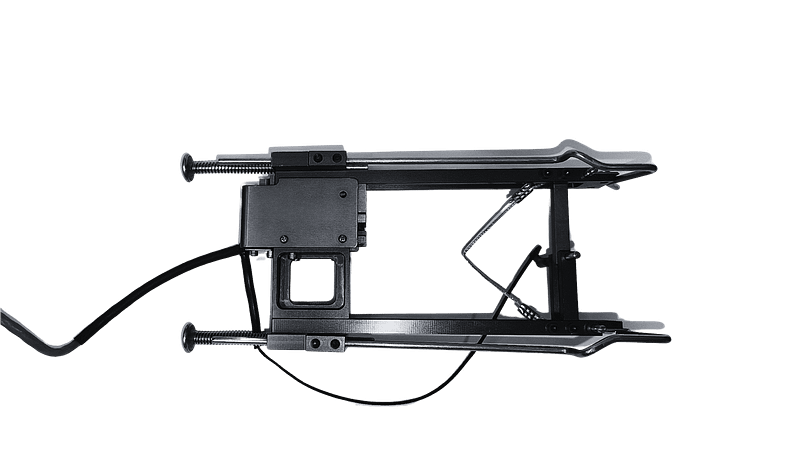
Clip-On Extensometer
Traditional extensometers, rely on physical attachment, which introduces the risks of knife-edge slippage, operator-induced setup variability, and localised stress concentrations that can trigger premature specimen failure. Furthermore, legacy devices often require manual removal prior to specimen fracture to protect the instrument from damage, forcing laboratories to lose crucial post-yield and break data.
Traditional extensometry has been superseded, accelerated and advanced at a very comparable price using Vector. Reliable, high-quality, real-time results are easy to achieve over a broad range of tests using Vector’s simple and intelligent approach.
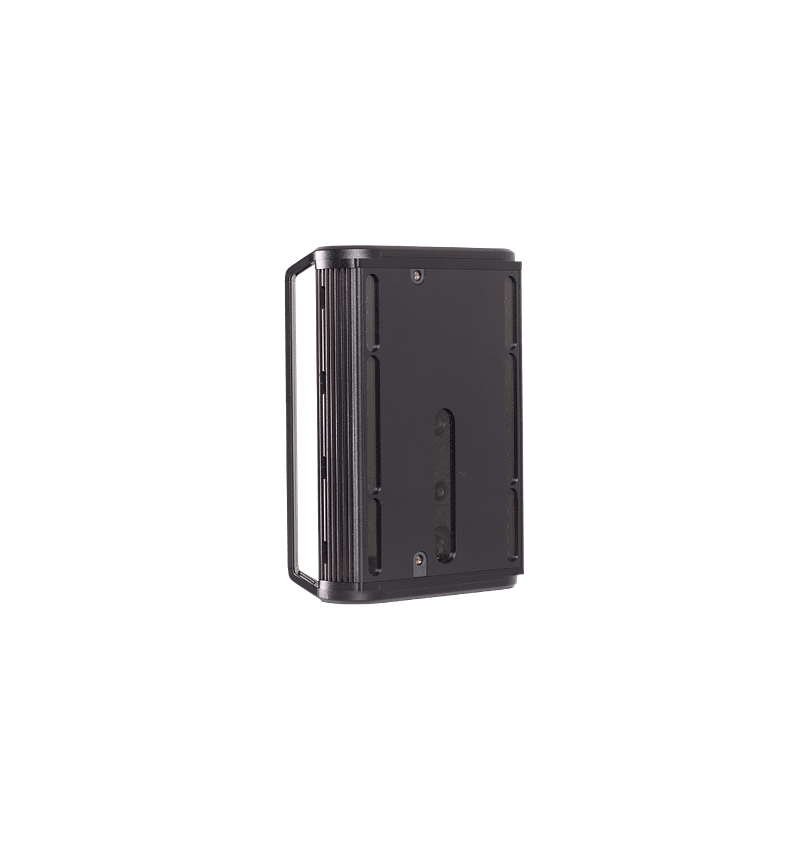
Vector Extensometer
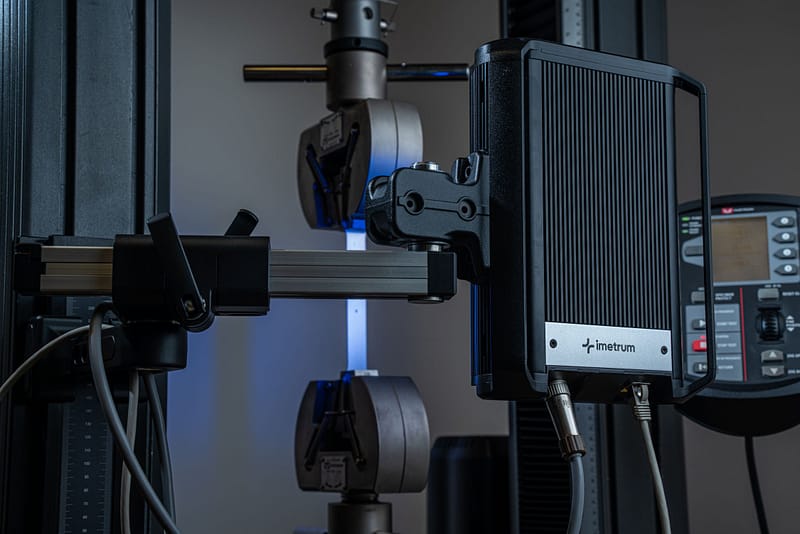
Vector redefines material testing with its pre-calibrated, non-contact, “plug and play” extensometry. By eliminating physical contact with the specimen, Vector entirely removes the risk of knife-edge slippage, premature specimen failure, or operator-induced variability during setup.
The system delivers exceptionally precise strain measurement across an incredibly diverse spectrum of materials, supporting various gauge lengths. Engineered for absolute data integrity, Vector consistently meets or exceeds the stringent requirements of ISO 9513 Class 0.5 and ASTM E83 Class B-1. Crucially, this high-accuracy classification is maintained across the entire field of view for all gauge lengths, ensuring total compliance throughout testing.

Video Extensometer
When stringent and exploratory testing calls for advanced capability, the UVX3D provides a trusted, pre-calibrated, precision optical system with a suite of measurements and analytics. Because it arrives factory pre-calibrated and preconfigured, the UVX3D works immediately and reliably out of the box, removing the need for complicated manual calibrations or optical setups.
Beyond real-time data capture, the system features powerful post-processing capabilities driven by our Video Gauge™ software. Operators can save rich video archives to re-analyse or reconfigure test data on any external computer. This allows for the re-application of virtual measurement tools, strain mapping, and unlocks ultra-high-speed 1000 Hz tracking, ensuring you extract maximum value and insights from every single test specimen.
Benefits of non-contact extensometers in Materials Testing
Extensometry provides precise measurements of the straining, extension, compression, and deflection of materials under load. When high-quality data is required, extensometers are the most effective way to meet the accuracy and resolution standards demanded by modern engineering.
Non-contact extensometry eliminates the mechanical limitations and specimen interference of traditional sensors. It easily handles delicate or complex materials without requiring multiple specialised accessories. Crucially, it allows for safe, uninterrupted testing straight through specimen failure without risking equipment damage, ensuring total data integrity.
Compliance with international accuracy standards:
Imetrum’s systems are designed to meet and exceed the most rigorous global standards for strain measurement:
- ISO 9513 Class 0.5: Specifies a maximum relative bias error of only 0.5%, ensuring extreme precision in deformation measurement.
- ASTM E83 Class B-1: Categorises high-precision extensometer systems with a maximum strain error of 0.5%.
Extensometry
Routine Materials Testing

In a high-throughput laboratory, routine material testing, such as tensile, compression, and flexural analysis, is at the heart of quality control. Traditionally, these tests rely on clip-on extensometers to meet ASTM E8 and ISO 6892 standards. However, contact-based tools introduce variables that slow down production: operator-dependent placement, knife-edge slippage, and the risk of sensor damage during specimen failure.
Vector was engineered specifically to solve these bottlenecks, offering a non-contact solution that mimics the simplicity of a clip-on with the intelligence of modern optics.
Standardised efficiency: Vector is a plug-and-play system. By removing the need for physical attachment, you eliminate operator variability and significantly reduce the time between tests.
Zero specimen interference: Ideal for thin foils, delicate wires, or high-elongation polymers, Vector measures strain without influencing the materials.
Test to failure safely: Unlike mechanical sensors that must be removed before failure to prevent damage, Vector tracks your specimen through the entire test cycle, even during breaks, capturing critical data that traditional sensors miss.
Universal compatibility: Designed as a true “plug-and-play” replacement, Vector integrates directly with your existing Universal Testing Machines (UTMs) via a standard analogue interface, making the switch from contact to non-contact seamless and immediate.
Read more here: Vector Extensometer vs. Clip-On Extensometer
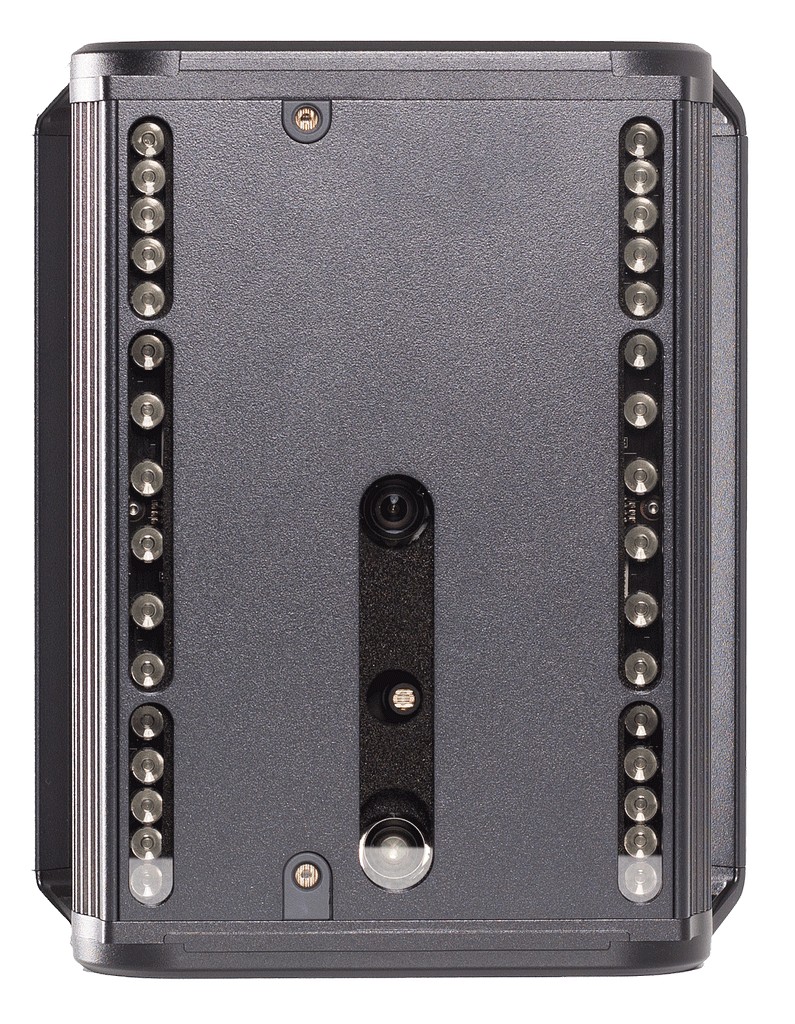
Vector U200
Vector
Uniaxial Extensometer
Gauge length: 25 to 180 mm
Minimum specimen width: 5 mm
Operating distance: 250 to 350 mm
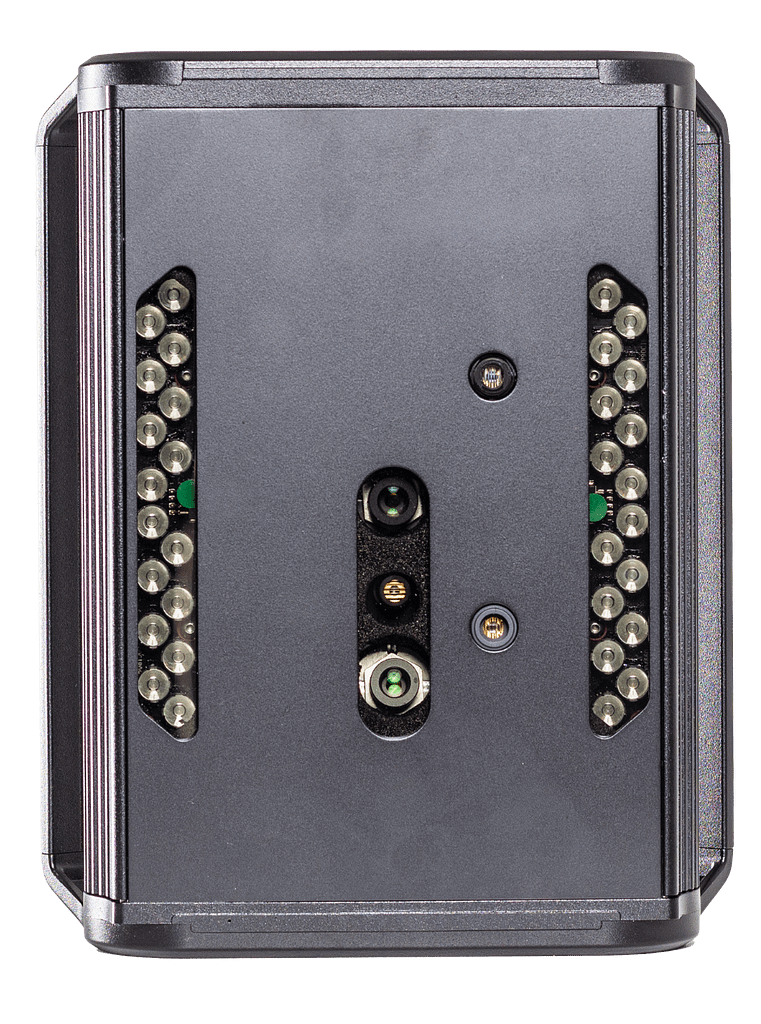
Vector U70
Vector
Uniaxial Extensometer
Gauge length: 10 to 50 mm
Minimum specimen width: 2 mm
Operating distance: 280 to 320 mm
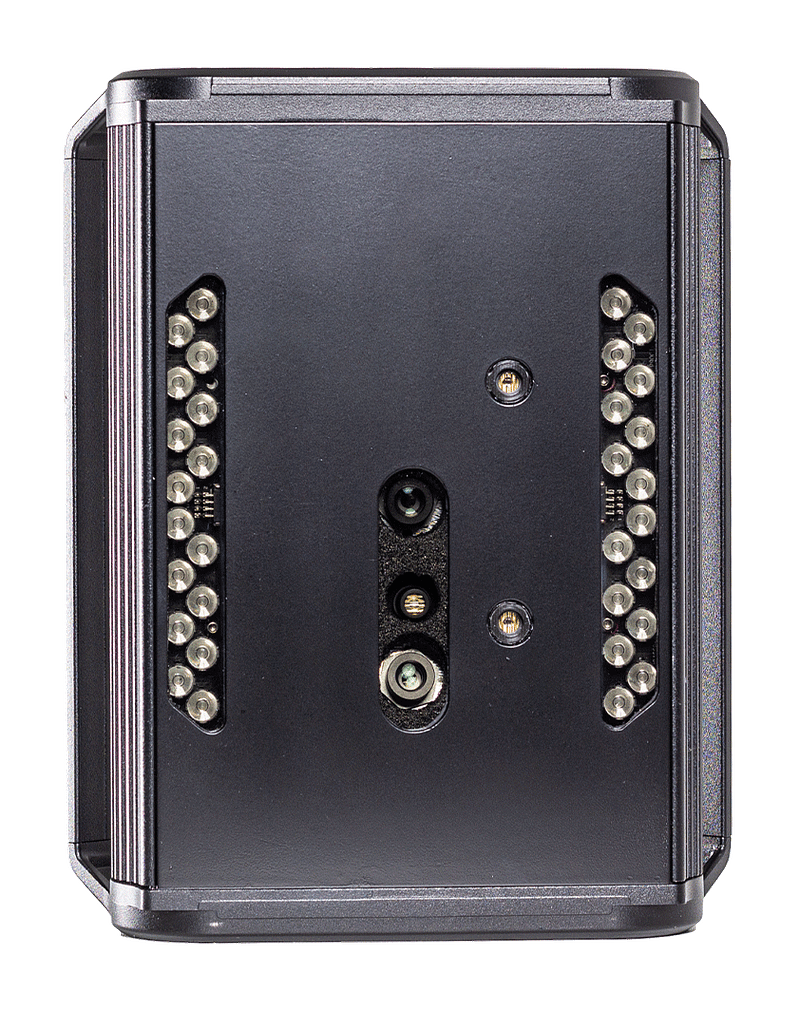
Vector B80
Vector
Biaxial Extensometer
Gauge length: Axial 7.5 to 70 mm Transverse 6 to 25 mm
Minimal specimen width: Axial 1.5 mm flat 2 mm round Transverse 10 mm flat 12.5 mm round
Operating distance: 285 to 315 mm
extensometry
Advanced Materials Testing

For R&D labs and material scientists, moving to 3D video extensometry has traditionally come with a “complexity tax.” Most high-end systems are difficult to configure, require extensive specialist training and continuous calibration.
The UVX3D changes this by delivering high-level 3D Digital Image Correlation (DIC) accuracy within a streamlined, integrated architecture. Delivering a pre-calibrated solution, the system allows for immediate out-of-the-box testing. It is designed for engineers who need exacting data without the overhead of a complex research project.
- Deeper material insights: The UVX3D range allows for deeper material insgihts, with complete post-processing freedom and full-field strain mapping, raw data is transformed into visual intelligence. With low-latency dynamic control for precise Low Cycle Fatigue (LCF) testing and a built-in digital video archive, you can easily recalculate measurements and discover hidden material behaviours long after the test is complete.
- Pre-calibrated hardware: All UVX3D models come factory pre-calibrated ready to measure from power on. This allows operators to reliably perform testing without the need for time consuming and manual set up.
- Unparalleled accuracy: The UVX3D range meets or exceeds ISO 9513 Class 0.5 and ASTM E83 Class B-1 standards. In addition to supporting strain-rate-controlled testing per ISO 6892 and ASTM E8, the range complies with ISO 527, a polymer testing standard with exceptionally stringent requirements for short-range strain accuracy near zero.
Read more here: UVX3D vs. 2D Video Extensometers
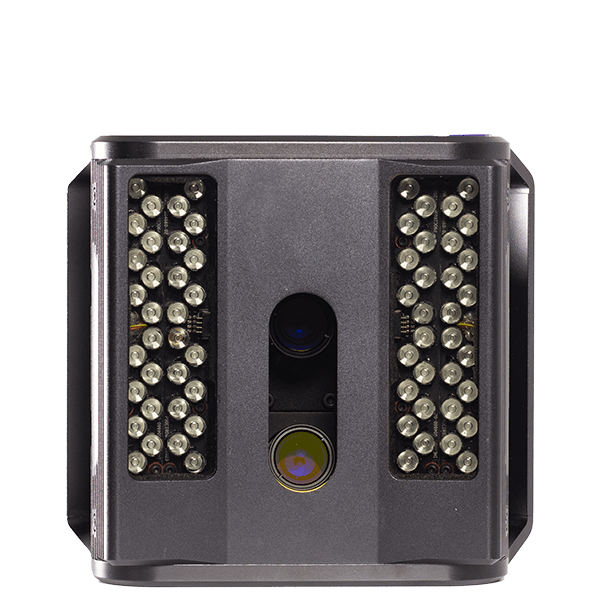
UVX3D 110
Dynamic Advanced Extensometer, Video Gauge
Gauge length: 10 to 80 mm
Minimum specimen width: Axial; 2.1 mm, Transverse; 12 mm*
Working distance: 320 to 360 mm
*Values shown are the minimum verified dimensions for Class 0.5/B-1 performance; smaller dimensions may be measured but are not verified to meet these accuracy classes.

UVX3D 220
Dynamic Advanced Extensometer, Video Gauge
Gauge length: 20 to 200 mm
Minimum specimen width: Axial; 7.5 mm Transverse; 25 mm*
Working distance: 320 to 360 mm
*Values shown are the minimum verified dimensions for Class 0.5/B-1 performance; smaller dimensions may be measured but are not verified to meet these accuracy classes.
Which extensometer is right for me?
Vector Extensometer or UVX3D

By loading the video, you agree to Vimeo's privacy policy.
Learn more
Modern material testing demands an uncompromising balance between high-speed throughput and sophisticated data. As industry standards evolve, many world-class testing facilities are moving away from contact-based measurement entirely.
Why? Because the inherent risks of traditional clip-ons: specimen damage, knife-edge slippage, and frequent sensor recalibration, all of which are eliminated with Imetrum’s non-contact ecosystem.
Whether you are streamlining routine QA/QC testing with the Vector clip-on replacement or conducting advanced R&D with the UVX3D, our solutions remove the physical constraints of hardware. Vector offers uncompromised strain measurement simplicity for high-volume labs, while UVX3D provides deep insights required for complex strain mapping and dynamic research.
By integrating seamlessly with your existing Universal Testing Machines (UTMs), Imetrum doesn’t just provide a sensor; we provide a total measurement solution that ticks every box for the modern, ISO-accredited laboratory. From industry-leading accuracy to the versatility of 3D Digital Image Correlation, our product ranges are built to work alongside your frames, ensuring a seamless transition to the precision of optical measurement.
Read more here: Vector and UVX3D – Which Extensoemter Do I Need?
| Feature | Vector (clip-on replacement) | UVX3D (video extensometer) |
|---|---|---|
|
Primary uses |
Routine Quality Assurance / Quality Control.
High-volume testing |
Advanced Research and Development testing
Dynamic research |
|
Hardware |
Single module: combined optics and computation.
Pre-assembled and pre-calibrated Fixed optics and integrated lighting Integrated signal output |
Separate optics to control PC
Pre-assembled and pre-calibrated Fixed optics and integrated lighting Optional analogue signal output |
|
Software |
Lightweight remote control app with integrated support |
Powerful and comprehensive software for camera control, test set up, live testing, review and post-processing. |
|
Architecture |
Stereoscopic camera system: 3D field of view
Industry-leading tracking algorithms |
Stereoscopic camera system: 3D field of view
Industry-leading tracking algorithms |
|
Set up style |
Simple and automatic: ‘plug-and-play’ |
Intuitive 3D out of the box |
|
Operation style |
Automatic measurement of presented markings |
Complete user control of specimen appearance, measurements and test Start-Stop |
|
Calibration method |
Quicker and easier than a set of clip-ons by marking the calibration standard |
Quicker and easier than traditional optical system by positioning the calibration standard within the 3D field of view |
|
Key advantages |
Significant improvement in testing throughput Range of high class gauge lengths in one device Eliminates physical contact effecting the results Automatic monitors prevent the likelihood of poor data |
Deep insights through 3D DIC technology Freedom to measure with utter simplicity Eliminates physical contact effecting the results Test archives for valuable re-processing. |


 powered by Borlabs Cookie